The Case for Tidal Range Electricity
NB. To simplify the Question process, the author sets out the argument by comparing the Severn Lake (Severn Barrage Project) and Hinkley ‘C’. Both these sites are in Somerset and in the Severn Estuary. The Grid pylons heading north from Somerset are able to take either supply and are already installed.
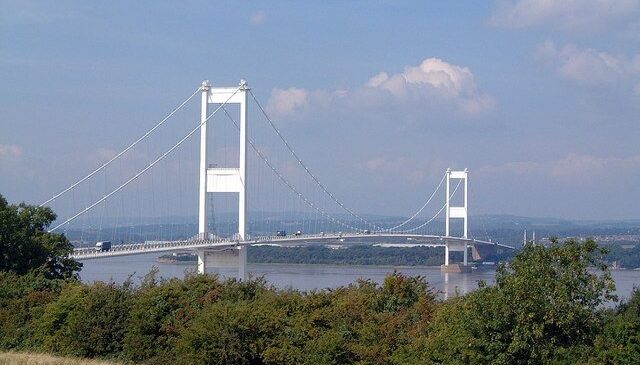
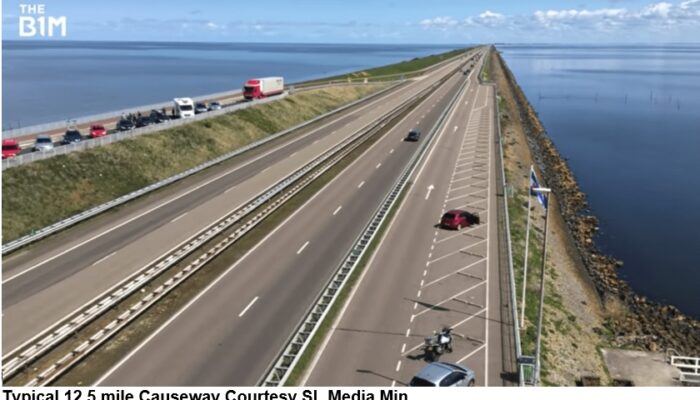
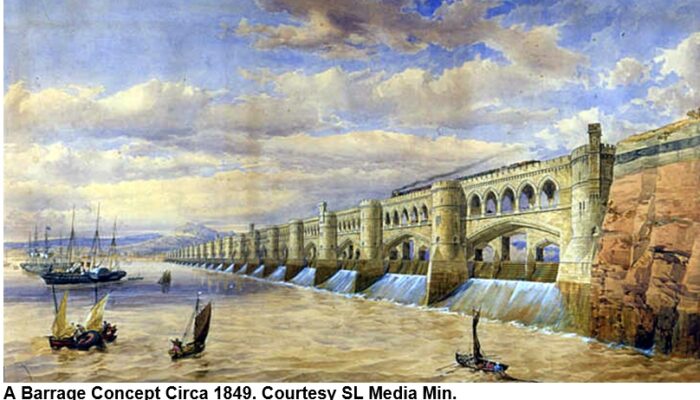
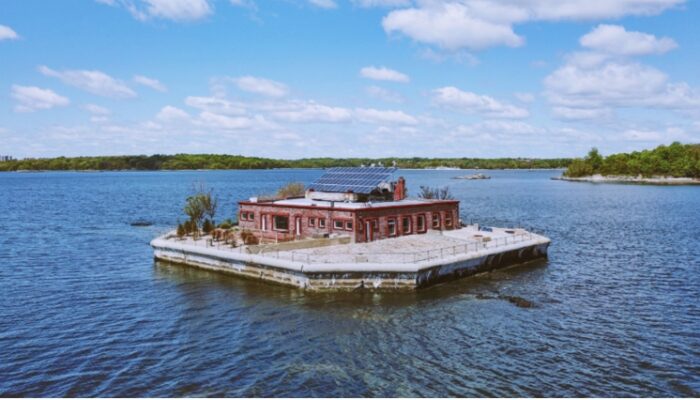
THE SEVERN LAKE CAUSEWAY will be built from Lavernock Point to Brean Down some twelve-and-a-half miles of construction all carried out within the estuary with COFFER DAMS commencing the works from both sides, with completion within six years. The Causeway will contain twelve turbine halls installed with two-hundred-and-sixteen 7.5 meter diameter low head, fish-friendly turbines. A one-and-a-half mile long ‘Free-Flow Shipping Channel’ working on the northern side. There will be Twelve Private Islands within the 174,000 acres of the Lake constructed on the Clevedon side, from recycled material within the build and any random silt build-up that make occur. A lifeboat station will be built centrally.
With the new planning bill, the processing of consent for major infrastructure projects, time-wise, will obviously be greatly reduced.
The report by Kirby and Shaw 30/9/2004 admirably deals with any environmental concerns.
An additional bonus, not costed within these pages, is the flood protection that the Severn Causeway will provide for the Somerset Levels along with two desalination plants providing clean water to Lavernock and Burnham-on-Sea.
The electricity produced within the Causeway would be absolutely clean, secure, renewable energy using conventional technology and built for one hundred-and-twenty years service to the year 2156. The turbines develop 40-85 megawatts each and will run within the patented turbine halls on Ebb and Flow for an average of sixteen hours per day. EVERY DAY. The capacity of just two hundred turbines is approximately 8,400 gigawatts plus, which equally compared to the Government’s agreement with Nuclear strike price production at Hinkley ‘C’ (£105 per megawatt hour) means that the Severn Lake Causeway will have a revenue base of £5.15 billion PLUS per annum.
The cost of building the Causeway will be £17.9 billion paid for by a general public electricity Bond issued by the Government
NB (it should be noted that each of the seven Tidal Range sites identified will have their own Management Companies and funding.
It is expected that the Regional Development around the Lake from Cardiff, Newport, Bristol, Clevedon and Somerset will be replicated in all other seven regions.
There is an irony in the timing of these proposals in that they sit well in three major ways. Firstly, the seven Tidal Range Projects will please the new Prime Minister, Andy Burnham, in being along the west coast of Great Britain and far from London, providing infrastructure, jobs (of a huge scale) and Regional Development. Secondly, the Crown Estate will benefit enormously in both revenue and future investment within the UK and thirdly, the people of the UK will have clean, renewable and ‘UK’ secure electricity.
The Severn Lake ™
July 2026
GGW
Next page >> The Case for Nuclear